The success of Diamonds Got Talent is a testament to what happens when talented pupils, dedicated educators, supportive parents, and amazing sponsors like Silverbird TV and Kerrygold come together.”
“Every child is born a star; our job at Diamonds International School is simply to give them the stage, the confidence, and the spotlight to shine.”
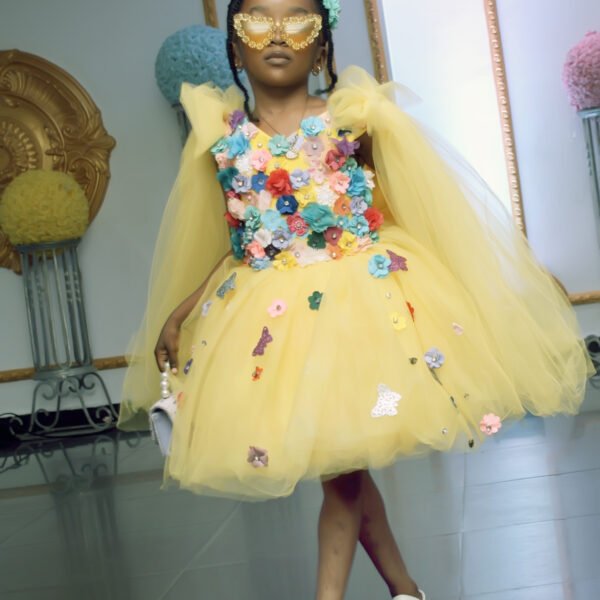
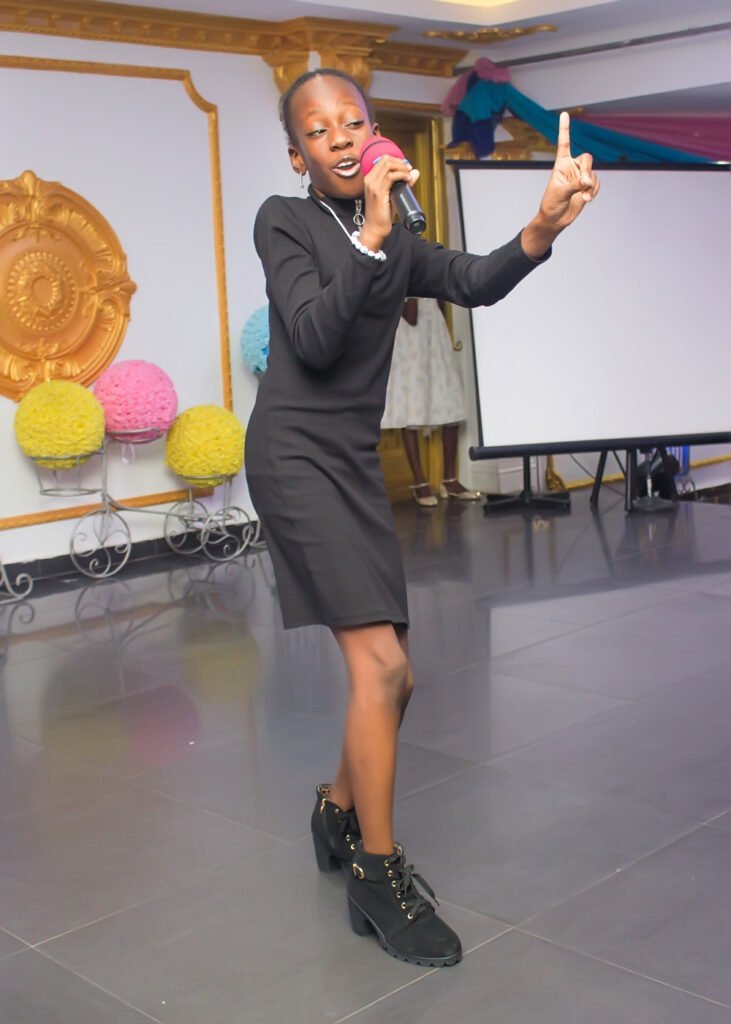
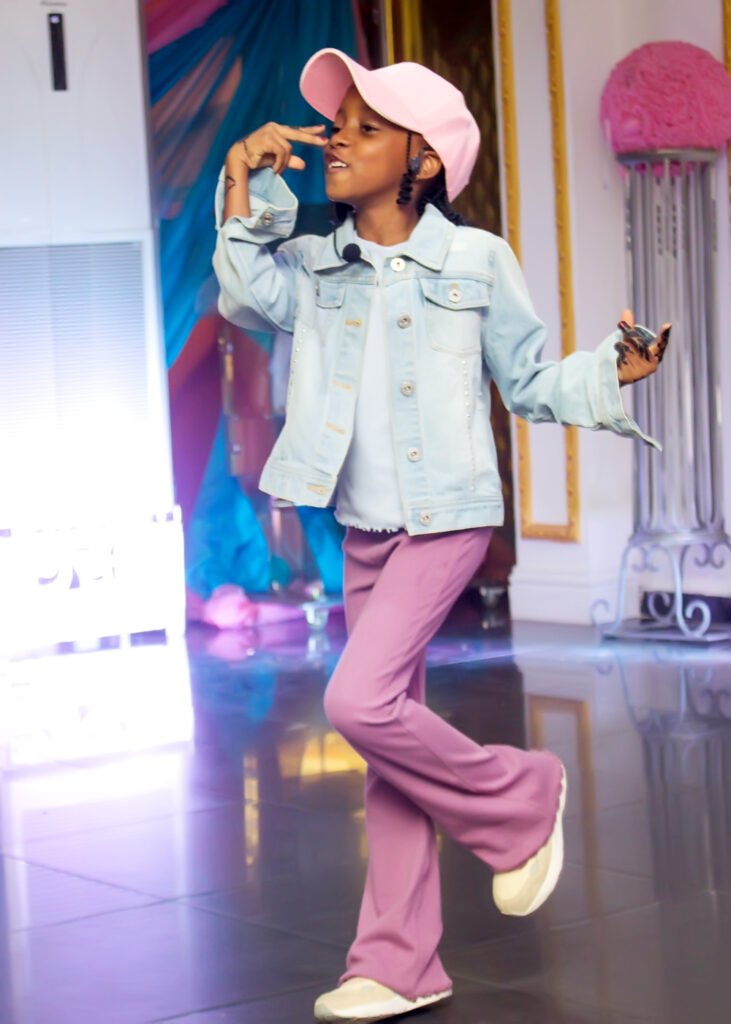

Glitz, Glamour, and Pure Talent: Inside Diamonds International School’s “Diamonds Got Talent” 2026!
What happens when you mix incredible young talent, supportive parents, corporate giants, and a whole lot of Children’s Day magic? You get Diamonds Got Talent—the ultimate showcase of creativity, skill, and pure joy hosted right here at Diamonds International School, Ikoyi!
To celebrate Children’s Day this year, our school auditorium was transformed into a dazzling stage where our pupils proved that they aren’t just brilliant in the classroom—they are superstar performers in the making.
Here is a recap of the unforgettable highlights from a day filled with cheers, applause, and jaw-dropping moments.
A Runway of Dreams and Wheels of Fire
The show kicked off with a burst of high energy and style. Our young fashionistas took to the stage for the Fashion Walking Show, strutting with the confidence of international supermodels. From traditional attire to futuristic creative wear, the style game was unmatched!
But the adrenaline didn’t stop there. The crowd went wild as our thrill-seekers rolled out for the Skating segment. Navigating the stage with speed, balance, and incredible coordination, these pupils showed us exactly what focus and practice can achieve.
Rhythms, Beats, and the Power of Silence
Music and movement took center stage as the day progressed. The Dancing crew brought the house down with modern choreographies that had the audience rocking in their seats.
In a beautiful shift of pace, the art of Maiming (Mime) brought a unique, emotional depth to the show. Through silent storytelling and expressive gestures, our pupils proved that you don’t need words to make a powerful impact.
We were then treated to soulful Solo Singing performances that gave everyone goosebumps. The vocal control and confidence displayed by these young singers left no doubt that we have future Grammy winners walking our corridors!
A Proud Heritage: The Special Edo Dance Rendition
One of the absolute crown jewels of the day was the Special Edo Dance Rendition. Clad in stunning traditional attire adorned with beautiful coral beads, the dancers moved with breathtaking grace and royalty. It was a magnificent display of cultural pride that reminded us all of the rich heritage we celebrate here at Diamonds International School.
A Huge Thank You to Our Sponsors!
An event of this magnitude wouldn’t have been possible without the incredible backing of our heavyweight sponsors.
-
Silverbird TV: Thank you for capturing the magic and bringing your media star power to our school!
-
Kerrygold: Thank you for fueling our champions and adding that smooth, premium touch to our Children’s Day celebration.
“Every child is born a star; our job at Diamonds International School is simply to give them the stage to shine.”
To all the pupils who performed, the teachers who coached them, and the parents who cheered them on—THANK YOU for making Diamonds Got Talent an overwhelming success.
Until next year, keep shining bright like the diamonds you are!